Application-led Design
Align antigen format, epitope intent and downstream use before selection
From selection strategy to traceable candidate sequences.
Request NowUsing phage-displayed antibody libraries, PROVETOP combines antigen presentation, positive enrichment, counter-selection and progressive stringency to identify candidates with the intended binding profile.
The project can continue through sequence clustering, monoclonal verification, affinity assessment and goal-specific functional evaluation, creating a traceable basis for antibody engineering and recombinant production.
Selection design begins with the antigen format, desired epitope, cross-reactivity boundary and downstream application rather than a fixed panning recipe.
Align antigen format, epitope intent and downstream use before selection
Combine target enrichment with removal of known background binders
Connect positive clones to sequence families and representative candidates
Retain round records, screening data and candidate rationale
| Stage | Execution | Project Output |
|---|---|---|
| Project Assessment | Align antigen, desired epitope and application; identify tag, carrier and homologue risks. | Assessment record and selection framework |
| Antigen & Library Setup | Choose solid, solution or cell-based presentation; prepare controls and counter-selection materials. | Presentation plan and experimental design |
| Panning, Counter-selection & Enrichment | Run positive selection and agreed counter-selection; incubate, wash, elute and amplify; adjust stringency and monitor enrichment. | Round records and enrichment trends |
| Monoclonal Screening | Compare monoclonal binding with controls; sequence, deduplicate and cluster families. | Positive clone list and sequence clusters |
| Candidate Confirmation | Retest and rank candidates using the assays agreed for the project. | Candidate shortlist, data package and report |
Project scope, validation methods and schedule are confirmed after review of the target and available antigen material.
Use concentration-response data to compare target-binding activity before sequence-led candidate selection.
Use BLI or SPR sensorgrams to review candidate interaction kinetics when included in the project scope.
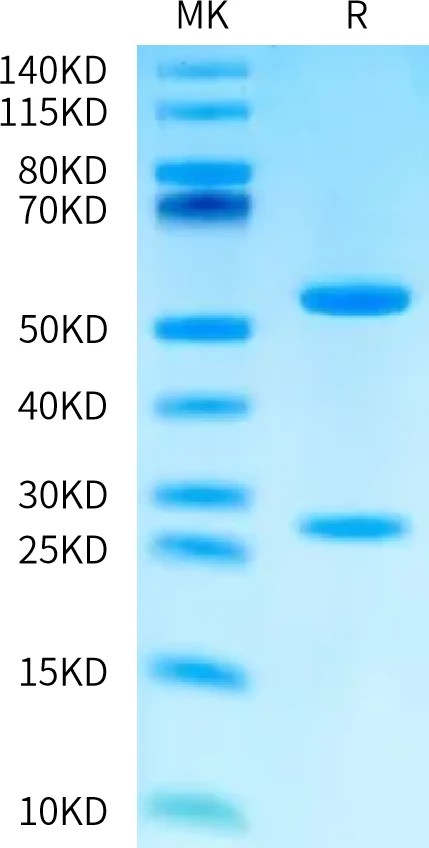
Review electrophoretic purity alongside binding evidence before advancing a recombinant candidate.
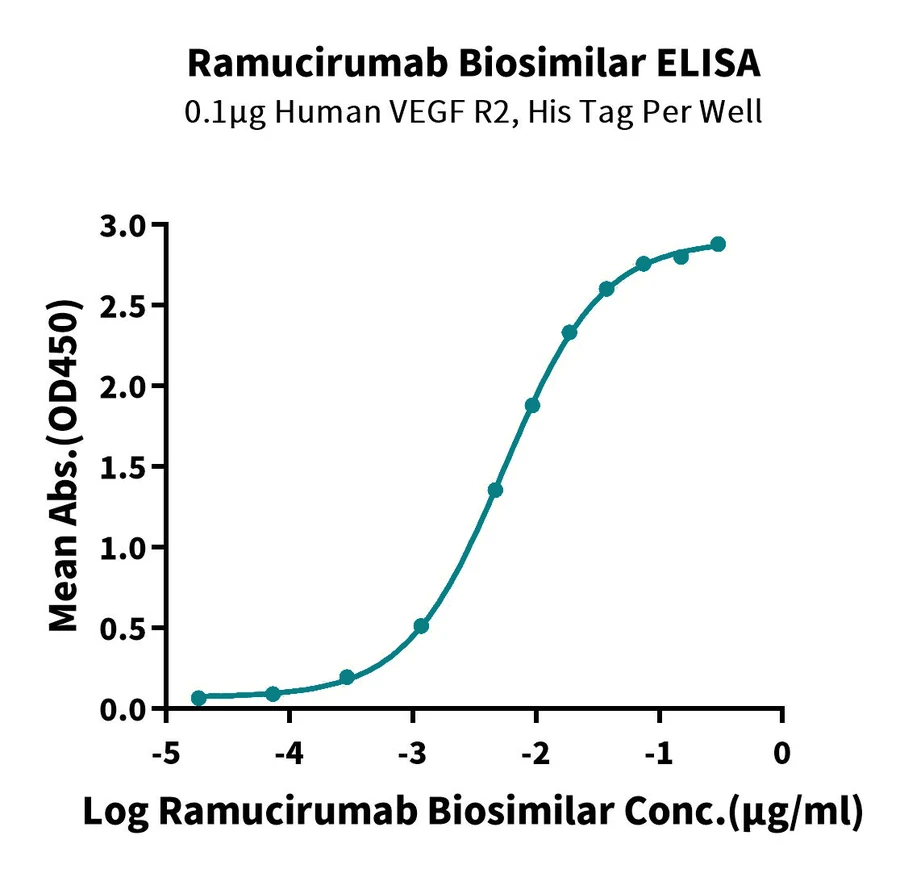
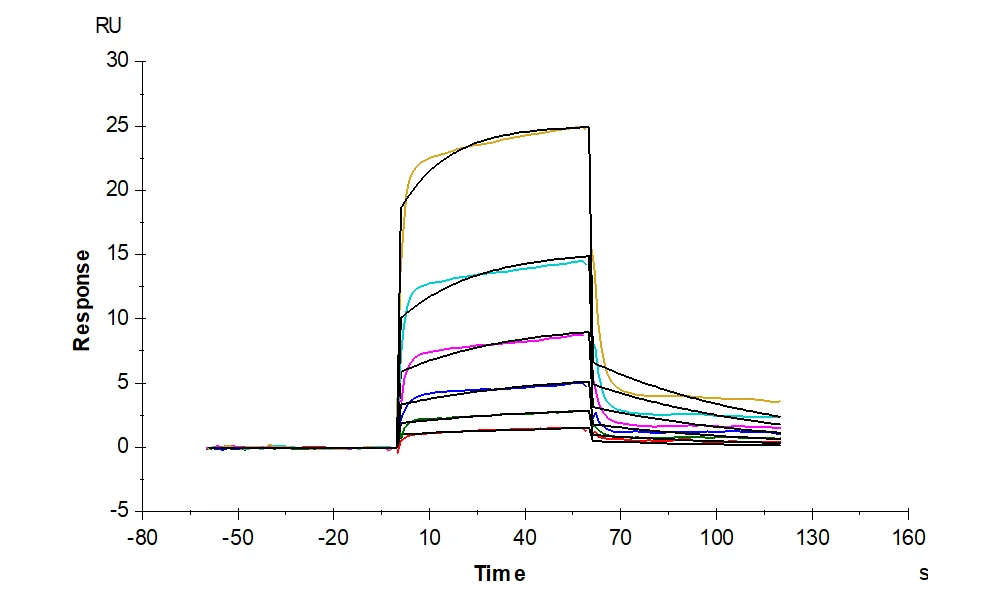
Use target-binding activity to identify candidates suitable for quantitative interaction analysis.
Compare association and dissociation behavior with BLI or SPR under the agreed assay format.
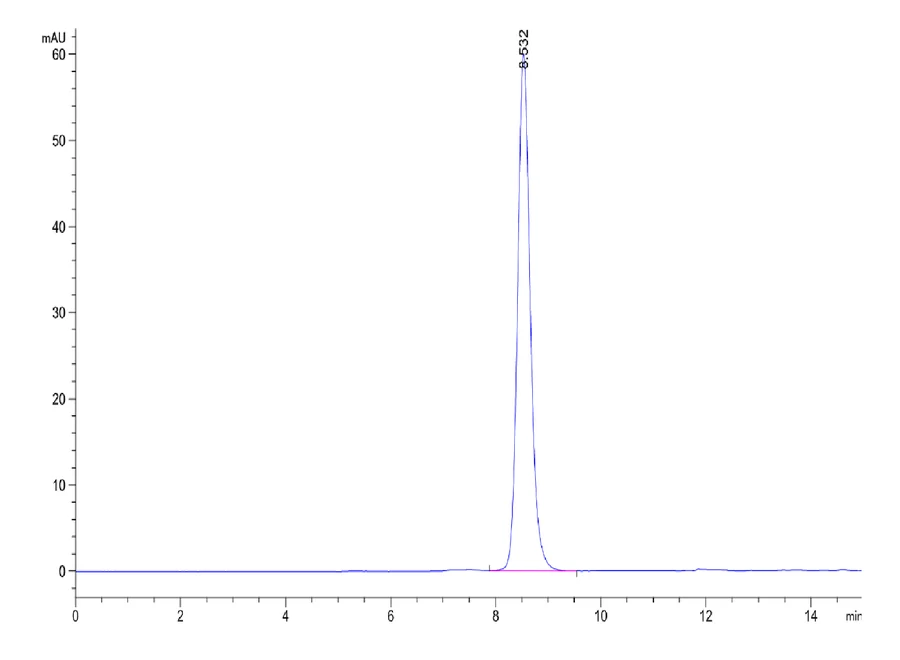
Review analytical SEC-HPLC to separate interaction quality from aggregation-related artifacts.
Confirm the expected antibody bands and electrophoretic purity after recombinant production.
Use SEC-HPLC to review the main peak and aggregation state of the recombinant candidate.
Pair analytical quality results with target-binding activity before downstream evaluation.
Share the target, intended application and available antigen material. The technical team will identify the most useful project starting point.
Technical consultation400-829-0116
Antibody phenotype and encoding sequence are linked on the same phage particle, enabling iterative binding, washing, elution and amplification.
Multiple rounds are common, but enrichment, background signal and clone diversity determine whether the strategy continues or changes.
Purified proteins, domains, peptides, cells or other agreed formats may be used depending on conformational and validation needs.
Blocking, pre-adsorption, counter-selection, competitive elution and progressively stringent washing can be combined with appropriate controls.
Yes. Candidate sequences can proceed to recombinant production, affinity, competition, cross-reactivity and goal-specific functional assays.
Begin with the target, intended application and available material. Screening and validation details are confirmed after technical review.
Thank you. Our team will review your inquiry and follow up by email.